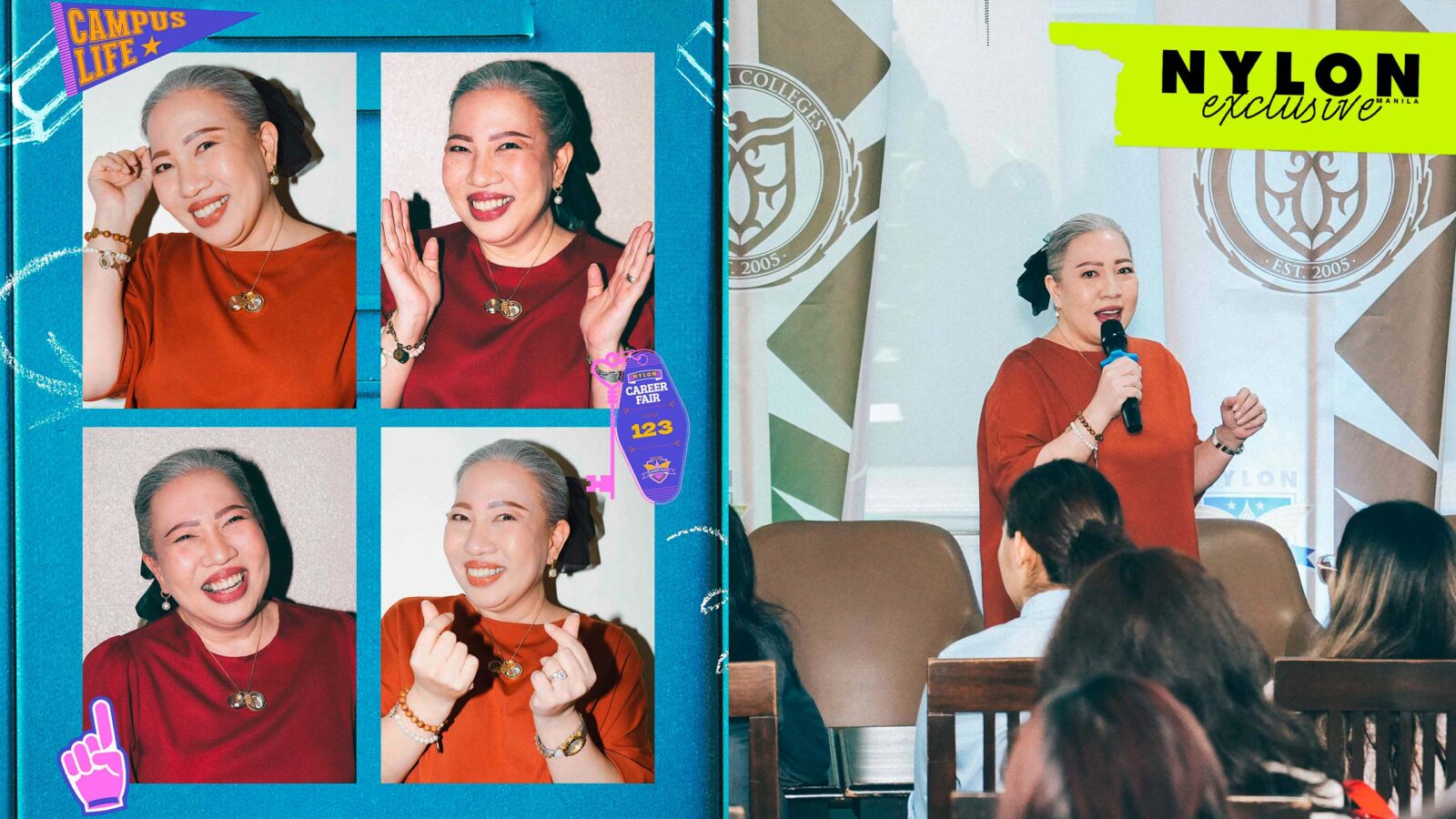



Life and career coach Kai Soriano-StaCruz shares her tips and insights on making the most of that transition from the campus to the office.
Related: 5 Tips To Bag Your First Job Like A Pro, As We Learned In NYLON Manila VOICES Ep. 4
Congratulations! You just signed your first contract and have your first job. Now what? For those of us about to start our working young adult era, having a career goes beyond finding and securing a job. That’s step one. Now, the real test begins on whether you can survive and thrive in a professional setting.
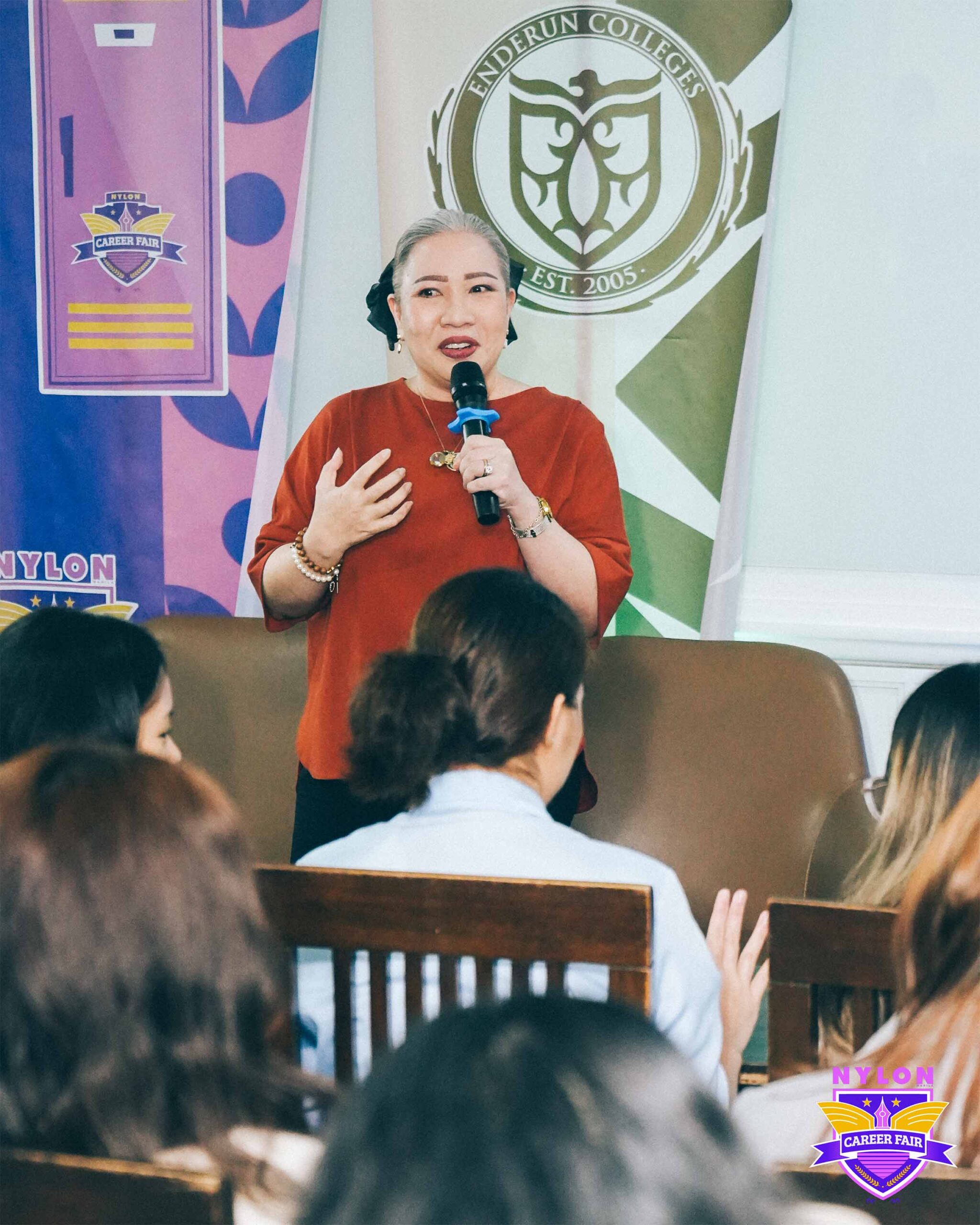
Going from school halls and classrooms to office buildings and boardrooms is a big jump and it’s understandable when anxiety starts creeping up at the back of your head. But in this change in setting also comes the importance of a change in mindset, something life and career coach, and motivational speaker Kai Soriano-StaCruz is well-versed in. Her career journey was one filled with doubts and unexpected twists, but it was in these moments that she saw the value in jumping into new situations with the right mindset, a lesson she shared as one of our speakers during the NYLON Manila Career Fair 2025.
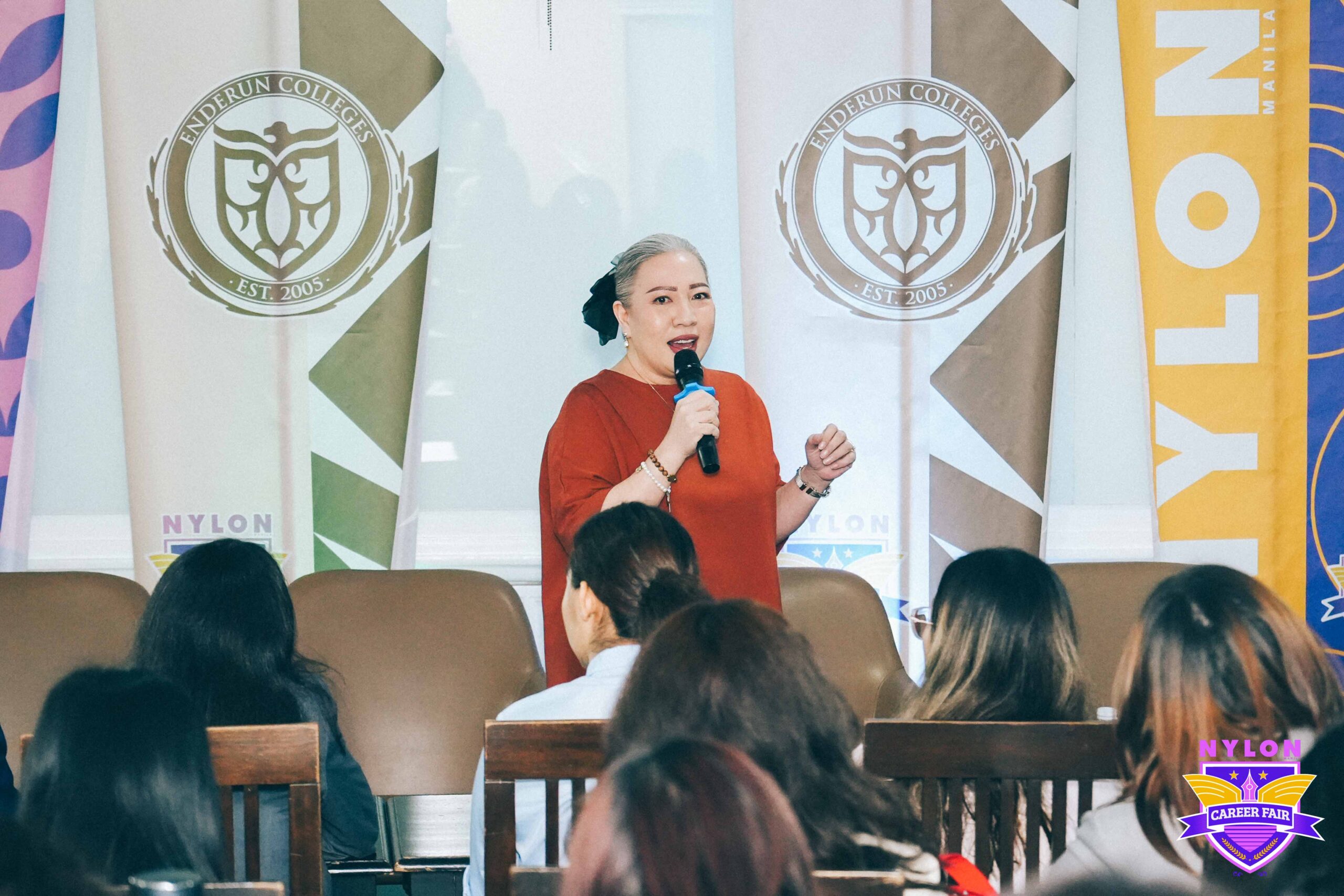
“It is normal to feel anxious and scared and worried,” she tells NYLON Manila on the first job jitters. “But everyone who has gone before them has survived the changes. I want them to really look at this as something they have to go through to be better in life.” Coming into the workforce for the first time, many fresh graduates can already feel burdened by thinking and feeling that they’re expected to move mountains on day one.
But as Kai sees it, those thoughts are not rooted in reality, at least not yet. “The expectations they have are unfounded. These are expectations within their imagination. That is not reality yet. So coming into that, it’s good that they have all these expectations. But as they look at reality, they now have to be able to manage that expectation.” Over the years, Kai has met and coached many individuals in various stages of their careers. And if there’s one thing she learned from the best of them, it’s to not take things too seriously (yes, really).
“I think that the one thing that I have learned from people who have successfully approached careers is that they took it with a grain of salt. That they looked at the career as an adventure. And with that perspective, it became a lesser stressor to them.” A defeatist mindset? We don’t know that.
Read the rest of our interview with Kai Soriano-StaCruz as she delves into adapting to the professional setting, dealing with work-induced anxiety, and more.
What do you think is the biggest misconception young people have about working?
I think the biggest misconception is that they expect it to be like school where a lot of people are going to be there to help them. So I think they need to be able to adjust to the mentality that independence is a very big draw that they should start developing.
How do you think fresh graduates could work on that transition from the campus to the professional setting?
I think towards graduation, they should already start preparing themselves. So involving themselves in orgs or even volunteering summer jobs for their family or just little things like that I think it’s good enough as a starting point for their transition. The ones who have the hardest time are the ones who cut it as if it was an on-off switch.
For fresh graduates who are new to the professional setting, how do you think they can better interact with co-workers who, more often than not, are older than them?
I think the mentality there has to be definitely humility. With humility, they’re able to position themselves in a way that other people don’t see them as a threat but will actually see them as people who can help with their career. Because the onus is on them. They need to be able to show other people that they are approachable. So without being a threat, they are now able to connect with other people no matter the age. It really starts there.
For young people who are dealing with career anxiety, what would you suggest on ways they can deal with it?
You know anxiety happens the most when you overthink so I recommend two things: number one, if you’re overthinking, start writing down your thoughts because the more that you let it out of your system the better for you physically. The second thing is to realize that overthinking is not helping you, so why are you doing something that’s actually not helping you. So with that self-realization, there has to be a conscious will to stop overthinking and with that take a few deep breaths and do mindfulness, focus on the now and see what’s working for you now.
In your line of work, what’s the most surprising thing you learned from people on how they initially approached their careers?
I think that the one thing that I have learned from people who have successfully approached careers is that they took it with a grain of salt. That they looked at the career as an adventure. And with that perspective, it became a lesser stressor to them. Because when other people approach careers, they are all about how much money am I going to make, who am I going to work with, all these questions. And it’s impossible to know, right? Approach it as an adventure and you’ll be better off. So don’t take it too seriously. Life happens.
In that same vein, would you recommend young people also think like that and don’t go into the first chapter of their career with so much expectations?
For sure. Because in the first place, the expectations they have are unfounded. These are expectations within their imagination. That is not reality yet. So coming into that, it’s good that they have all these expectations. But as they look at reality, they now have to be able to manage that expectation.

For young people who want or maybe consider work-life balance as one of their top priorities for a job, how do you think they could adapt that mindset into the job?
You know the big thing about work-life balance is that there has to be an integration. You cannot look at work separate from life. So the way to do it really and science has shown that integration is how you can do it. It means that whatever you’re getting from your work is something that’s fueling your life. And whatever inspiration you’re getting from life is also fueled back into work. And so it is very possible. But you never go into this counting the hours at work and counting how many hours you have outside of work because there is no balance there for sure.
There’s a seemingly never-ending debate on whether it’s better to take a break before finding a job or go into the job hunt right after graduation. For you personally, how do you see it?
I think what’s more important is for fresh grads to really know what he or she wants because it’s best for others who need a job to earn money to already get a job but not everyone is in that position. So if the person is able to spend a month or two really looking at this new adventure, this new chapter, then go do it. Personally, I took a month and then I went and looked for my first job and I have no regrets because at least I had that rest between working and school.
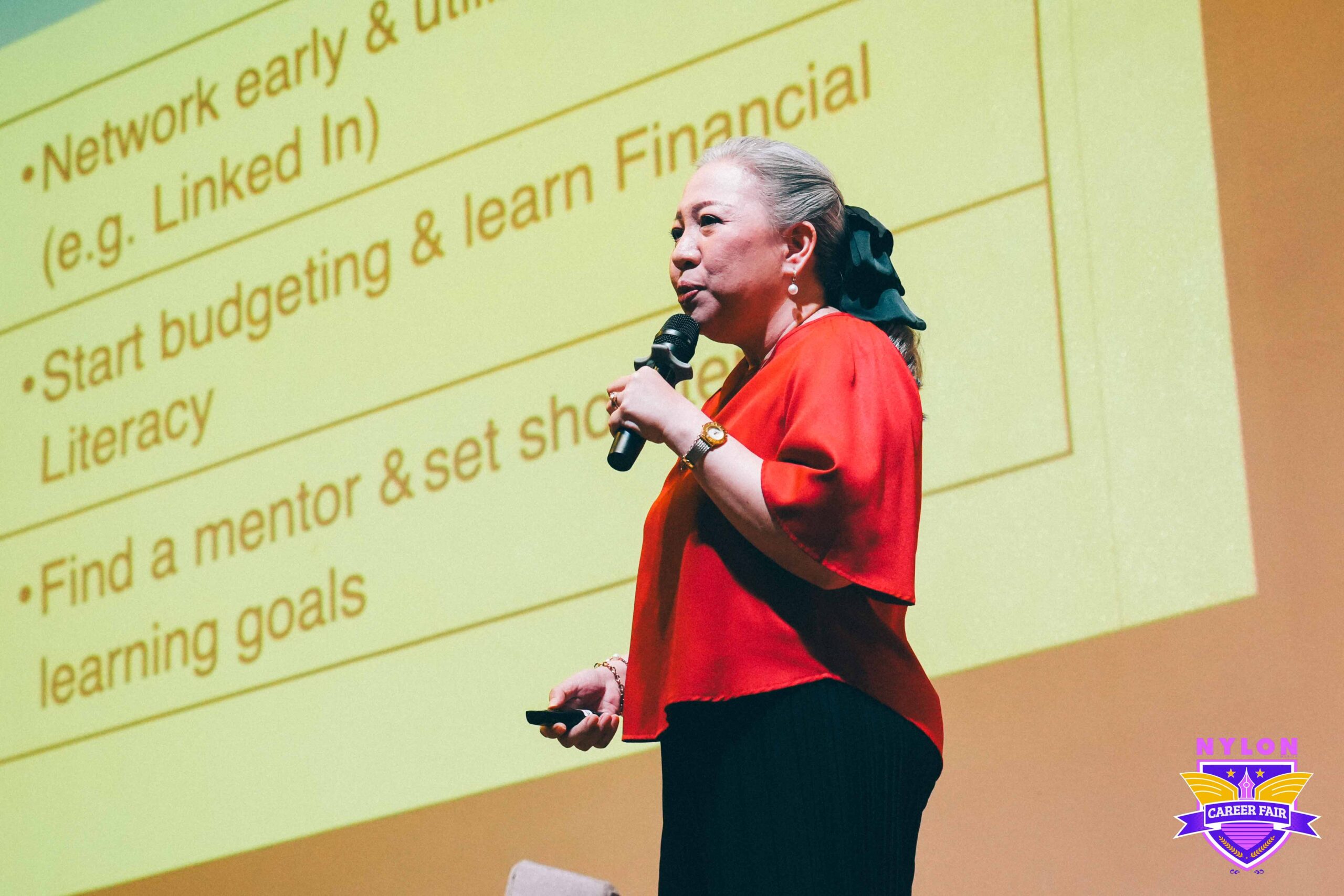
For college students in general, what would you advise them on what they could do now in college that could help them once they actually start working?
Two things: One, their social skills. They have to be able to develop their social skills. In the workplace, if you aren’t as assertive as expected, you are going to be your worst enemy. The other thing, I think really knowing AI because that’s up and coming and everyone’s using it already whether you like it or not.
What would you like to tell students who are feeling nervous or scared of what their future holds for them?
You know, this is a rite of passage. It is normal to feel anxious and scared and worried. But everyone who has gone before them has survived the changes. I want them to really look at this as something they have to go through to be better in life. And so once they do, they’re going to realize that they’re going to be the ones giving advice to the next generation.
Interview has been edited for length and clarity.
Photos by Excel Panlaque & Kieran Punay.
Continue Reading: How To Build Your Self-Worth With Mads Constantino