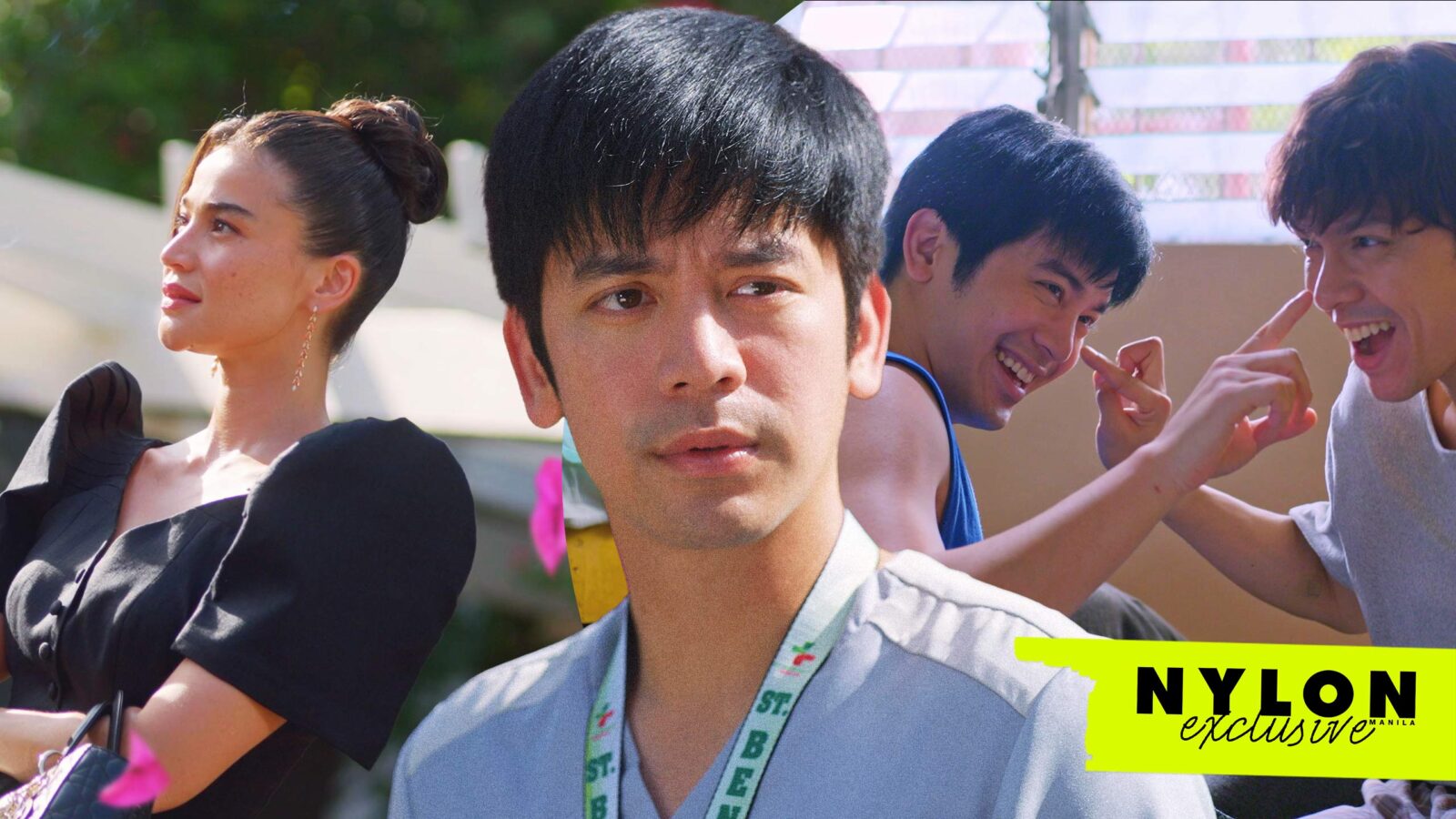



Anne Curtis and Joshua Garcia tell us why the local adaptation of It’s Okay to Not be Okay won’t fumble the ball when it comes to talking about mental health.
Related: The New Movies And Shows Of July 2025 We Can’t Wait To Watch
Filipinos love their K-dramas. And if there’s one thing they love even more, it’s local adaptations of K-dramas. History is replete with Filipino adaptations of Korean dramas that have become regular viewing for many people, and the most recent adaptation heading to screens looks to continue that trend. It’s Okay to Not be Okay had everyone in a chokehold during its run in the pandemic. And after years of rumours, build-up, and anticipation, the local adaptation of the hit K-drama is finally here.
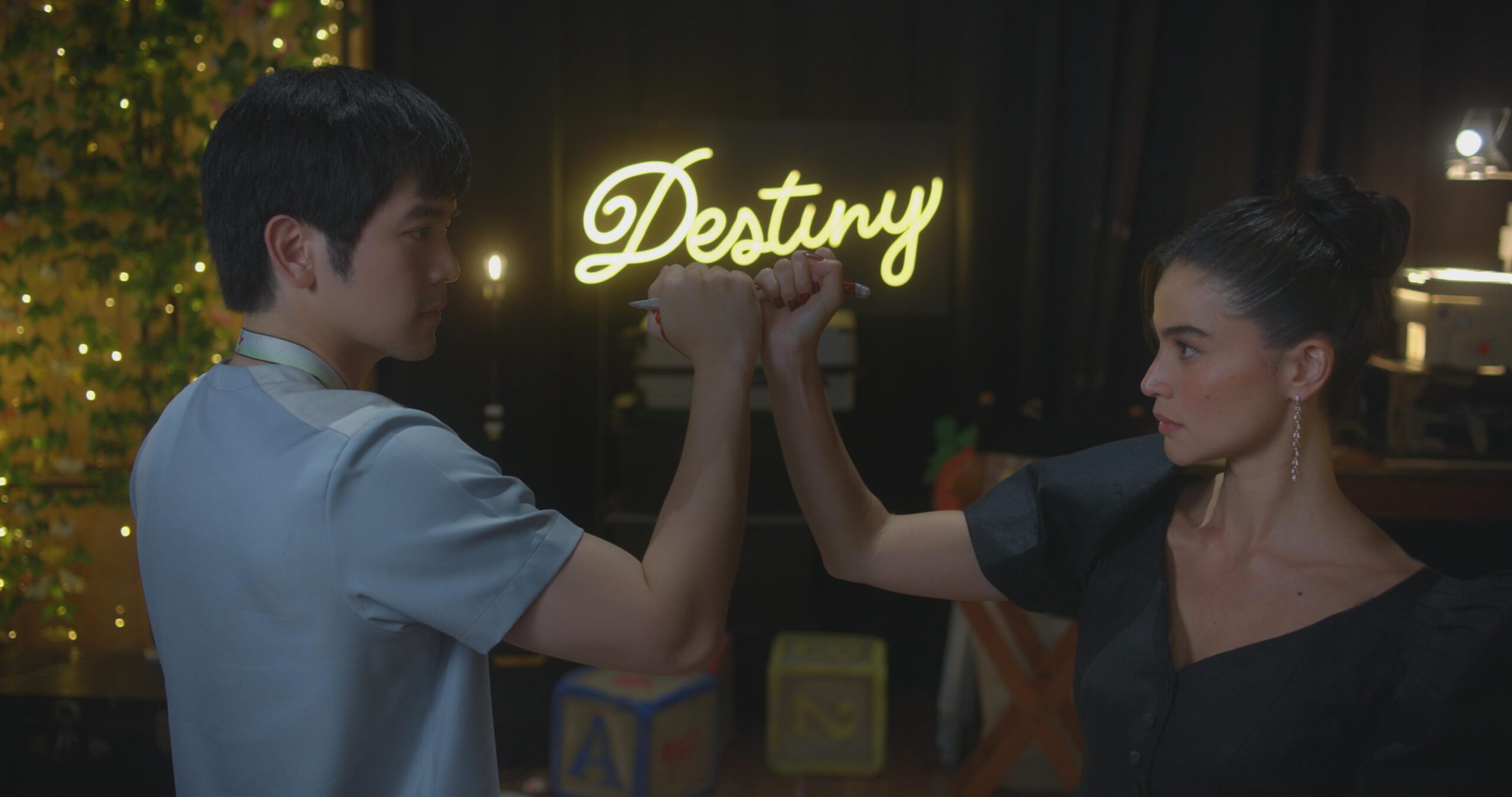
The 80-episode series is directed by Mae Cruz-Alviar and comes courtesy of Star Creatives in partnership with Netflix Philippines. Starring Anne Curtis (in her anticipated acting comeback), Joshua Garcia, and Carlo Aquino, there are a lot of signs that point to this adaptation potentially being one of the biggest shows of the year. But aside from the hype, it should also not be ignored what the original show has done when it comes to depictions of mental health in media. The OG Korean series was noted for its considered take on mental health, especially with its main characters. That’s an aspect the local remake promises it won’t drop the ball on.
The adaptation follows the story of Mia (Anne Curtis), an author diagnosed with antisocial personality disorder and suffering from severe antisocial tendencies, who gets involved with Patpat (Joshua Garcia), a dedicated and quiet psych ward caretaker, and his autistic and creative older brother Matmat (Carlo Aquino). The relationship challenges Mia to confront her deep emotional wounds and bring down her cold facade. For what could be one of the most talked-about shows of 2025, the Philippine remake of It’s Okay to Not be Okay wants you to know that it’s bringing proper mental health discourse to primetime.
FEEL YOUR FEELS
Whether it be because of stigma, misinformation, or the country’s conservative leanings, mental health has always been a tricky subject to discuss in the Philippines, much so in local media. It’s Okay to Not be Okay hopes to change that, or at least help start the proper conversations. It places mental health at the heart of it’s narrative and reflects the current level of local awareness and ongoing evolution of the public’s dialogue surrounding it. The show is an attempt at reaching a broader audience where conversations on mental health may still be unfamiliar.
“Importante siya sa atin, lalo na sa atin mga Pilipino, kasi hindi natin siya pinag-uusapan eh,” says Joshua Garcia on the importance of discussing mental health in media during a roundtable interview. “Siguro dapat i-normalize natin na pinag-uusapan yung mental health. Especially sa mga kabataan, sa mga kalalakihan, kasi sila yung makikimin.” It’s an idea Anne Curtis agrees with, especially with how it remains elusive to find mainstream Filipino movies and shows that openly and understandingly talking about mental health.

“Dahil nga Tagalized nga ito, sana mas marami pang makakaintindi. They look at it in different eyes. They understand yung bawat condition. Mas may understanding siya. And it’s told in a way in our series na relatable siya sa bawat Pilipinong pamilya. Kasi yun yung journey ng bawat characters. Kasi we tackle different conditions in different episodes. So sana, I think it’s about time na we’re able to reach out to broaden the audience who will be educated about it.”
It’s an aspect of the show that actually helped attract Anne to take on the role of Mia Hernandez, given that it’s been years since we last saw her act on screen. “I decided to look at the bigger purpose of it and of the issue it’s tackling. And I feel na it’s the first time in the Philippines na meron tayong ganitong series that will educate you and bring you through the journey and better understand the different conditions and how you can handle it and how you can reach out to people.”

Mia, like the character she’s based on from the original K-drama, may be known for her looks (Anne had a great say in what she wore and pulled numerous pieces from Filipino designers for her outfits), but behind the fashion and polish is a woman who has a lot of unaddressed baggage to deal with. “She has an antisocial personality disorder and I would say her wardrobe, her outfits, serves as an armor to protect showing her real emotions,” comments Anne, noting that she considers the character misunderstood for how her trauma has affected how she sees the world.
Patpat Gonzales, meanwhile, serves as almost the opposite of Mia as a compassionate psych ward caretaker who takes care of his autistic older brother, Matmat. It is through Patpat that Mia begins to bring her walls down. Given the nuance needed of the character, not to mention the big role Patpat and Matmat’s relationship plays in the story, Joshua had a lot of expectations to meet. But the actor is no stranger to taking on tough roles. “Actually lahat ng ginagawa ko, parang nachachallenge ako sa lahat ng ginagawa ko,” he shares. “Feeling ko pag hindi ako nachachallenge, hindi ko rin siya tatanggapin. So siyempre ito yung hardest talaga. Kasi ito yung last na ginawa ko.”
THROUGH A FILIPINO LENS
It’s one thing for a show to talk about mental health, but it’s another thing about how it does so. On that front, the actors feel confident that the series has done a good job in how it draws from local culture and storytelling and blends respect with contextualization that makes the topics relatable to Filipino audiences.
“I think we’re able to tell it in a way where it’s repeated over and over so that you have a better understanding. Hindi lang siya dinaan. So we’re telling it in a way that it’s relatable,” shares Anne with NYLON Manila. “People will be able to understand it easily, the journey of the character. You’ll see the culture of Filipino families and how to tackle it in that way. So we have different situations where the Filipinos will be able to relate.”

Even in Mia’s storybooks, which are a core part of Mia as a character and the overall narrative, get a Filipino makeover in terms of how they are told. “Even my storybooks, which are metaphorical in terms of my character, how she is tackling it, but she only tells it by way of a dark fairytale. So, we use, parang, may tiyanak, may mga ganyan na mas Filipino culture versus what you saw in the original. So, it will be, may mga bruha, so yun yung mga folklore ng Filipino where it will be relatable to them,” she adds.
Only time will tell whether the show succeeds on that mission, but by the looks of it, the local remake of It’s Okay to Not be Okay is aiming to be a visual and emotional journey that’s relatable, blends live-action with animation, filled with layered symbolisms, and respectful of its themes of mental health, trauma, healing, and love. It’s fine to speak your real emotions, focus on your peace, understand your feelings, ask for help, and well, it really is okay to not be okay.
It’s Okay to Not be Okay is now streaming on Netflix Philippines, 72 hours ahead of its free TV airing.
Photos courtesy of Netflix and ABS-CBN
Continue Reading: Yes, It Is Possible To Have Proper Mental Health Discourse Among Filipinos