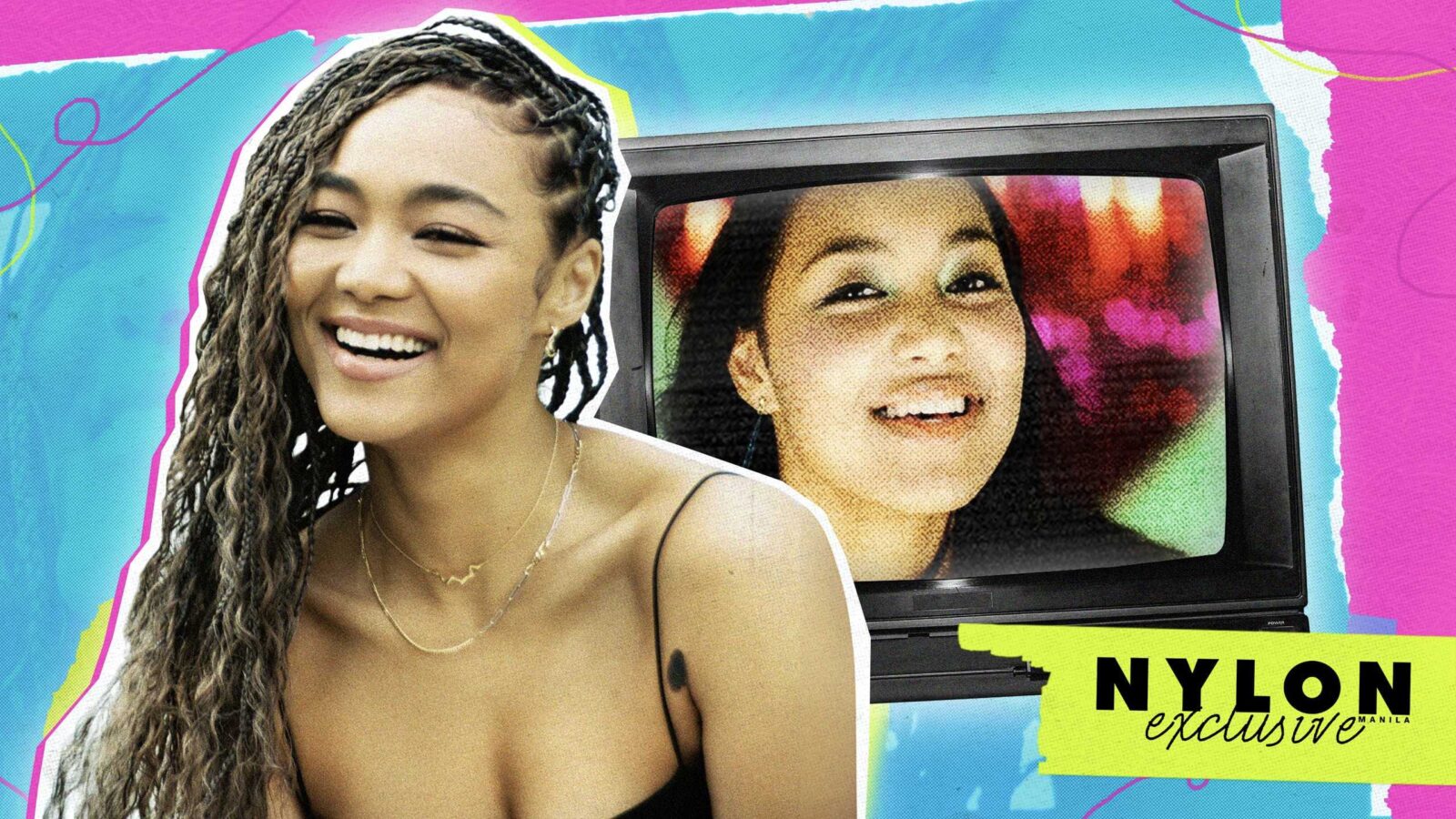



An icon, legend, and pioneer.
Related: PSYCHIC FEVER Wants You To Know They Mean Business Being A Global Boy Group
The word “legend” gets thrown around a lot these days, especially if you’re a resident or visitor of Stan Twitter. But for artist Crystal Kay, it’s a word that can aptly describe her and her impact on the industry. While she personally doesn’t see herself in that way, we’d say her career speaks otherwise.
PIONEER BEHAVIOR
Born in Japan to an African-American father and Korean mother, Crystal has been in the game since she was 13 years old, and in the 25 years since, she’s established herself as one of Japan’s most iconic voices. Celebrating more than two decades in an industry that is known to move on to the next big thing in the snap of a finger is a testament to Crystal’s talent and star power.
It’s a legacy that is celebrated in ALL TIME BEST, a 32-track anniversary album released last June that spans her lengthy discography. “Hearing people say these songs were part of their childhood, or that their parents introduced them to my music, really puts the 25 years into perspective,” she shares with NYLON Manila in a career retrospective.
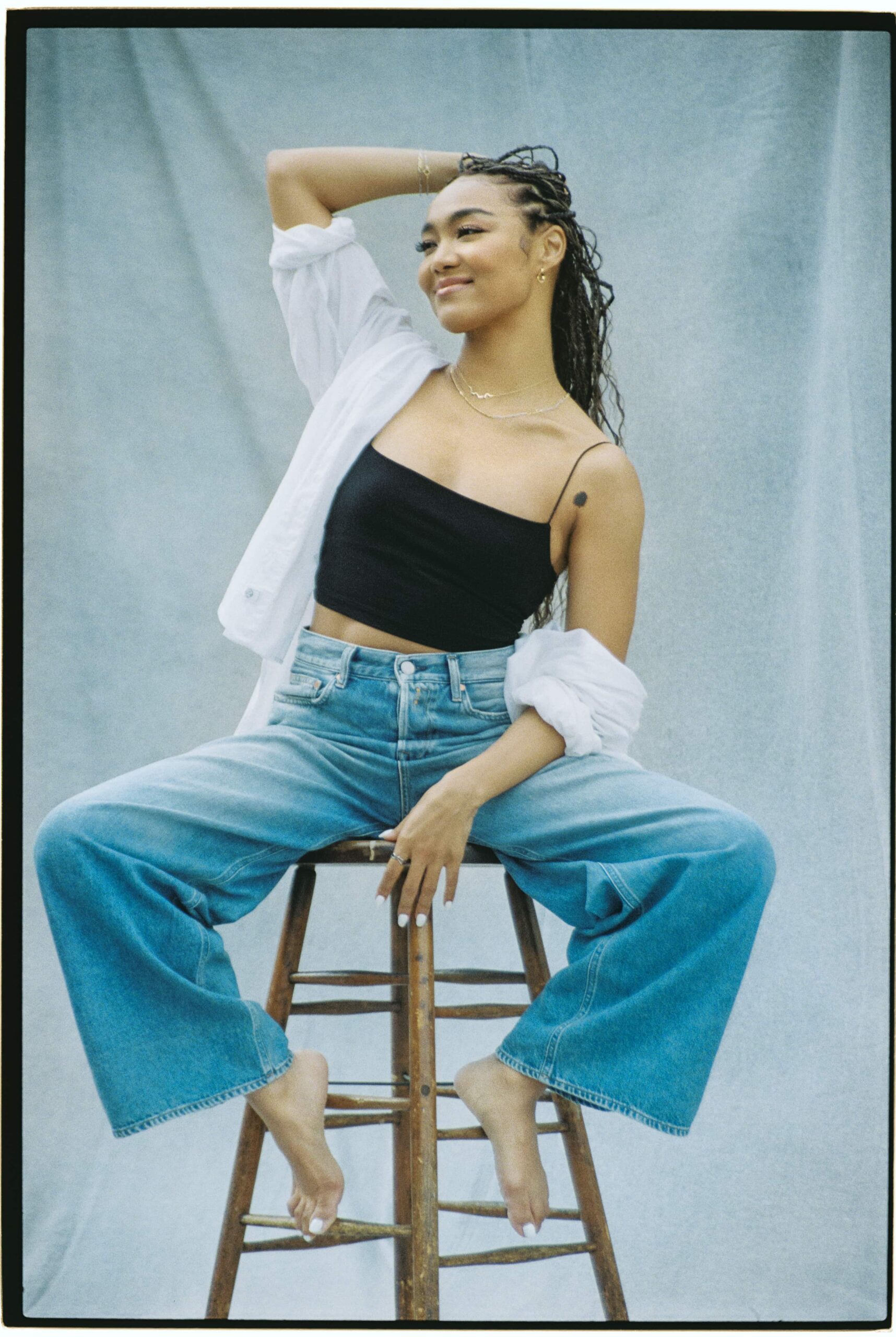
For fans of anime and video games, Crystal may also be a familiar name with her work in some of the space’s biggest properties like Final Fantasy and Pokémon. The songs she has performed/contributed are classics to many of her international fans, but she credits the impact of her work on Fullmetal Alchemist, and specifically her iconic song Motherland, as one that still leaves her in awe.
“For the longest time, I didn’t understand why my song Motherland was so well-known abroad. I kept hearing people mention FMA, and I was like, ‘What the hell is that?’ I had no idea it was the English title of 鋼の錬金術師 until it finally clicked, and I was like, ohhh, that makes sense, haha!”
Aside from her work in music, Crystal is also widely regarded as a trailblazer for biracial and diverse representation in the Japanese music scene. She entered the industry at a time when no one looked quite like her, which often meant having to carve her own path. “Honestly, there weren’t any biracial artists like me when I first started out, so I think it was really difficult for labels and management to know how to categorize or ‘brand’ someone like me,” she recalls.
But Crystal did her thing, and 25 years of barrier-breaking moves later, she feels the industry and culture in Japan in general have become a lot more welcoming to diverse voices. “Now, kids are starting to see that being Black or mixed is ‘cool,’ and those representations are not only becoming idolized, but more importantly, they’re becoming role models.” Mother behavior is you ask us. Crystal Kay is far from done and plans to do a whole lot more in the coming years, but with the legacy she’s already built, Crystal is a pioneer who did what she loved while embracing who she is and rightfully taking up space.
Below, read our exclusive interview with Crystal as she looks back on her 25 years in the industry, her most memorable projects, being a high-profile biracial artist in Japan, and more.
Has it sunk in that you’ve been doing it for over 25 years?
It’s actually starting to sink in, especially while doing promo for my ALL TIME BEST album. Hearing people say these songs were part of their childhood, or that their parents introduced them to my music, really puts the 25 years into perspective.
Not to mention the number of 25-year-olds in the industry I’ve been meeting lately who know my name and know the songs – people who’ve literally been alive for as long as I’ve been doing this!
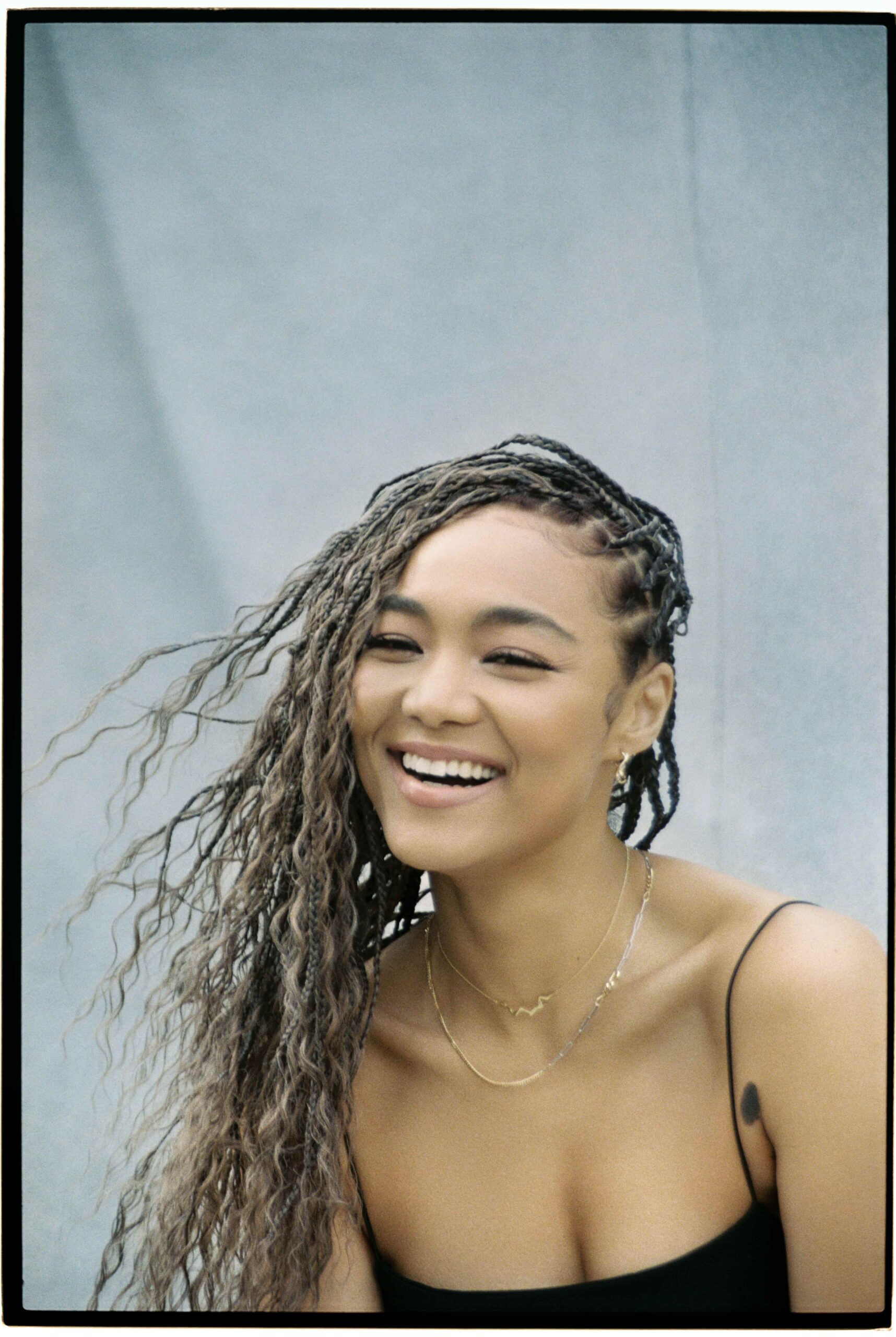
Many see you as a legend in the industry. But do you personally consider yourself a legend?
I’m honestly really humbled by that, but I don’t think I could ever call myself a “legend.” What I will say is I do see myself as a pioneer as one of the first mixed-race artists in Japan, and that’s something I am proud of.
Among the 32 songs on your anniversary album there are a few re-recordings. What was it like to revisit those tracks?
It was kind of surreal. To be honest, I was a little nervous because I’ve never re-recorded my own songs before, and they’re all tracks from when I was in my teens. I didn’t want to change them drastically just because it’s been 25 years. I approached it in a way that kept the sweetness and innocence of my younger voice, while adding the layers and warmth of my more seasoned voice now.
Aside from your music, many also consider you a trailblazer as a biracial artist in Japan. How do you think the industry has changed when it comes to being accepting of diverse artists as compared to when you first started?
Honestly, there weren’t any biracial artists like me when I first started out, so I think it was really difficult for labels and management to know how to categorize or “brand” someone like me. From the sound, to the fashion, to the makeup and identity – it all felt a bit vague in a sense, because there was no blueprint.
But over time, as more people of color and multicultural figures became visible in sports, modeling, and through the influence of U.S. entertainment, Japan slowly started getting used to seeing diversity in the media. Now, kids are starting to see that being Black or mixed is “cool,” and those representations are not only becoming idolized, but more importantly, they’re becoming role models.
Now with K-pop and J-pop reaching global audiences, and with streaming opening everything up, diversity is finally becoming the norm, which is such a beautiful thing. It took a long time, but times are finally changing.
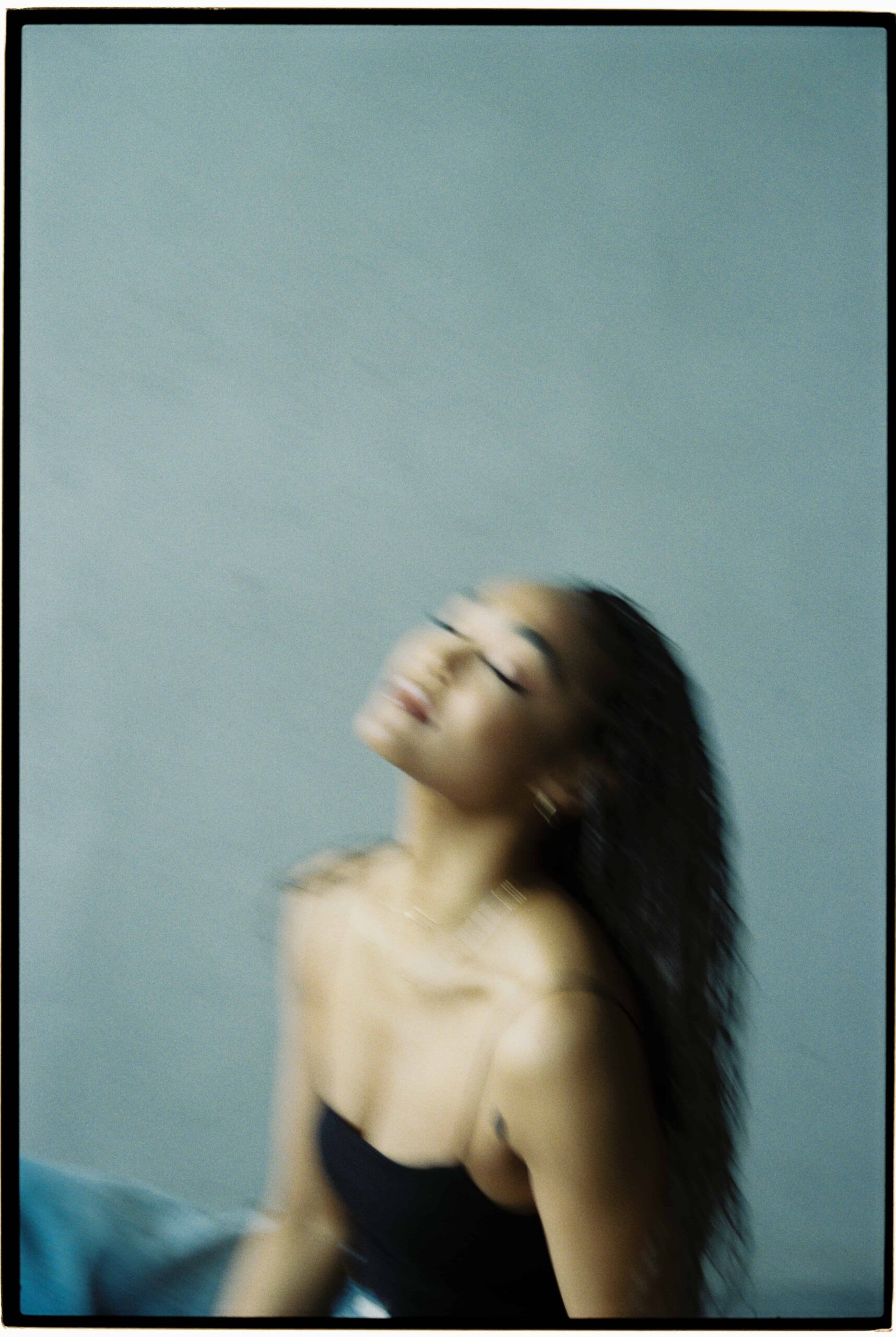
A lot of your international fans know you for your work in video games and anime. Is there a specific project that stands out to you as a favorite?
It’s hard to pick a favorite, but I’m always in awe of how much of an impact Fullmetal Alchemist has had on international anime fans. For the longest time, I didn’t understand why my song “Motherland” was so well-known abroad. I kept hearing people mention FMA, and I was like, “What the hell is that?” I had no idea it was the English title of 鋼の錬金術師 until it finally clicked, and I was like, ohhh, that makes sense, haha!
You’ve worked with a lot of amazing artists over the years. If there’s one collaboration that you could re-live and experience again, what would it be and why?
One experience I’d love to relive is when I did “Revolution” with Amuro Namie. That one was such a dream moment for me, especially because I remember buying her singles when I was in elementary school. I wish I could have been in the studio with her as we didn’t get to record together. And honestly, I wish I had exchanged numbers with her so we could be friends! I’d have so many questions for her as a fellow artist and performer.
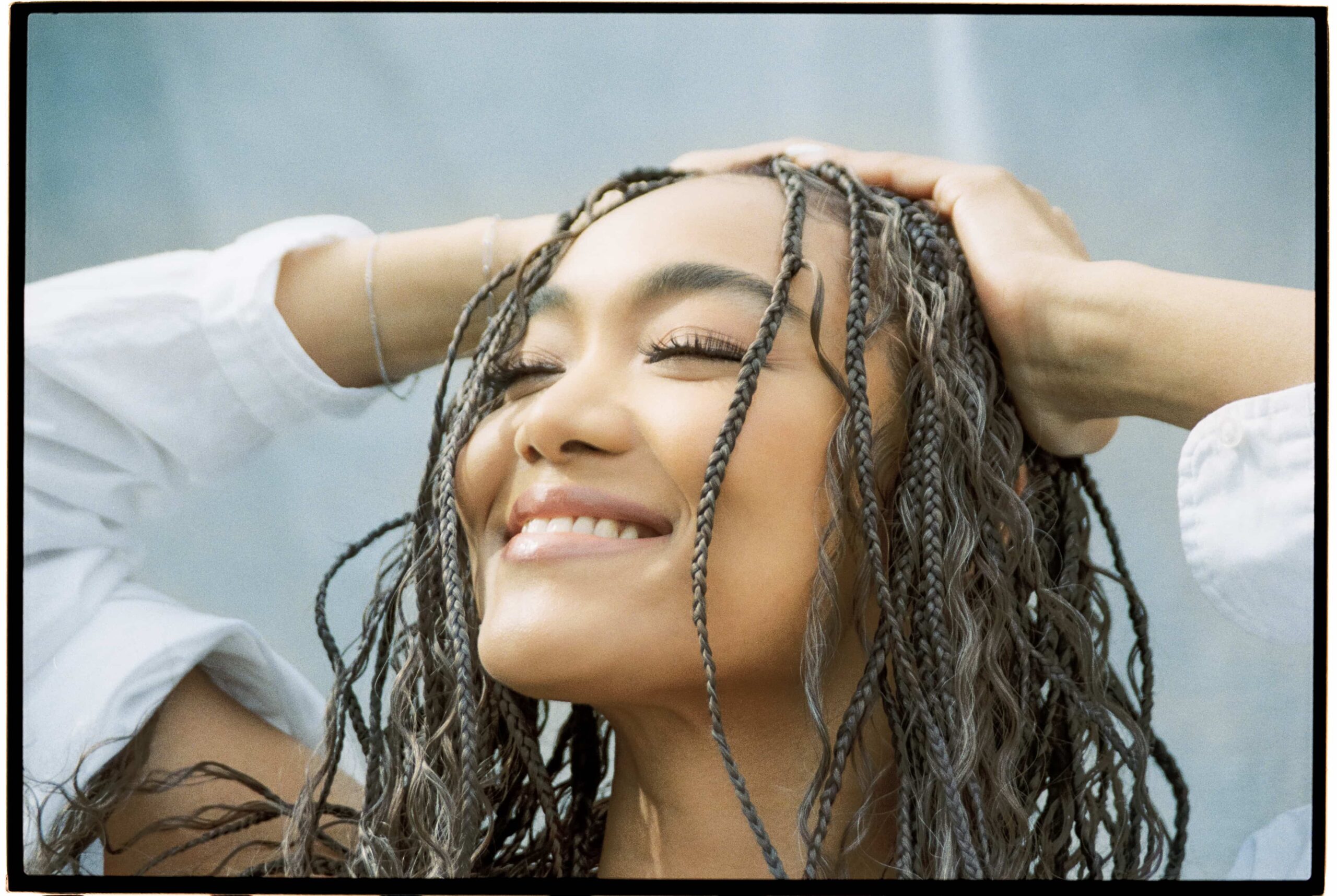
Looking back, do you have an “I made it!” moment or a specific instance when you felt that you achieved your dreams?
There are a lot of moments where I actually stop and think about how far I’ve come. Sometimes it’s in a quiet or subtle way, like when I look at the contacts in my phone and think, wow. It’s wild to realize that people I used to look up to are now my friends or colleagues.
Where do you see yourself by the time you reach your 35th anniversary?
I see myself still singing, but performing more and more abroad. I’d love to be mentoring or producing the next generation of artists, taking on acting projects, and maybe even a mom of one or two kids with someone I love. And of course – prepping for a 35th anniversary show!
If you were to reintroduce yourself to the younger generation who may not know you, how would you do it?
I’d show them a montage of my music videos and performances over the years, because sometimes the best way to tell your story is to let the work speak for itself. I’ve been blending J-R&B, pop, and global influences since the early days, at a time when that kind of sound, and that kind of representation, was still rare. In a way, my ALL TIME BEST album is that reintroduction. It’s a reminder of where I’ve been, and a way to invite a new generation to discover the journey.
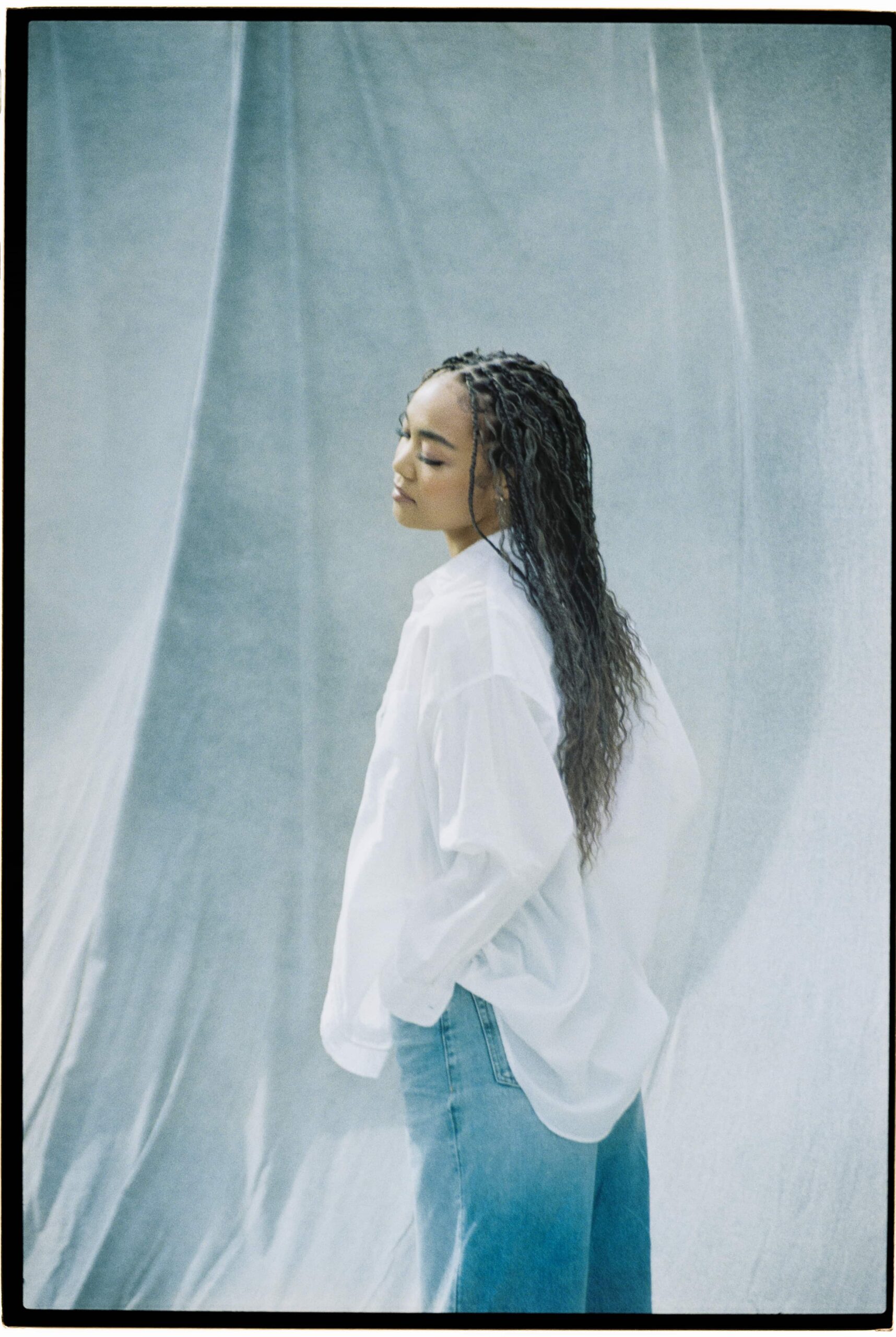
If you could talk to the younger you who was just about to start her career, what would you tell her?
I’d tell her to do exactly what I did, but never take any opportunity for granted. Preparation and practice are your best friends. Always show up as prepared as possible for every performance or job so you can be proud of your work, and never live with regret. Be proud of who you are, and never be afraid to TAKE UP SPACE!
Photos by Nagoshi Keisuke
Continue Reading: 5 Reasons Why J-pop Girl Group f5ve Should Be The Next Divas On Your Radar